Diet vs Lifestyle
In this article, I will assume that when you’re reading this, you have committed to some level of weight loss. Whether that weight loss is for an event (i.e., wedding, prom, hanging at the pool, going to the beach, vacation, etc) it doesn’t really matter. Or, perhaps, you’ve just decided to make a change and simply want to be thinner than you are. Whatever the reason for the weight loss, the goal is still the same… to lose the weight.
What is your goal?
I’m not asking how much you want to lose. We’ve already established that you want to lose weight and you’ve likely already determined how much. No, this question is asking for how long do you want the weight gone? It’s a valid question. The reason I’m asking this question is very much the crux of this entire article. If you are looking to lose your weight for a month or two and then ‘forget about it’ and go back to ‘normal eating’, then this article really isn’t the answer.
This article may help you attain that goal, but this information is not intended nor designed to lead people back into the dieting trap. This article is designed to help people get out of the diet trap and bring about lasting change. If you are committed to lasting change, then you’ve come to the right place.
Thinking patterns evolved
Let’s start by discussing what the food industry has done for America (and, arguably, the world). We’ll start by saying that the food industry is, first and foremost, in it for the money. Secondarily, they supply food. Plain and simple, without profits they can’t stay in business, so money always comes first. From Kraft, Hershey, ConAgra, Archer Daniel Midland to Burger King, McDonald’s and Wendy’s, the mantra is the same. Eat more. It’s a simple and subtle, yet consistent message. The more we eat, the more money they make. It’s simple economics. It’s also economics working against the waistline. The bottom line is, eat more so they make more money. I’ll discuss how that thinking manifests shortly. As long as you keep this ‘money making’ aspect of the industry firmly in your dietary planning, you can easily maintain your weight loss goals. Remember, it’s about their profits, not your waistline.
Money making manifestation
The ways in which the food industry keeps to their profit goals is through marketing. Whether that marketing is on TV, in print, on menu or on the packaging, the message is always there. Eat more. How? On packages, there are many ways they accomplish this. Some subtle, some not-so-subtle. The first and most bold is the ‘serving suggestion’ combined with ‘image enlarged for detail’. So, for cereal, as an example, it’s always a heaping huge bowl of cereal filled to the top. Granted, the image is ‘enlarged’ so determining scale is out. But, that’s the point. They don’t want to give you a frame of reference so you equate that imagery with the bowls in your cupboard (probably huge due to standard manufacturer sizes). So, then you turn to the ‘Nutrition Facts’ panel and see that 1 cup is 110 calories. You naturally equate the ‘serving suggestion’ to the ‘1 serving size’ and pour your cereal thinking you’re eating 100-110 calories. The thing you don’t realize is that bowl of cereal you poured might account for upwards of 300-400 calories depending on bowl size. Combining that with 2% milk, you are looking at 244 calories in 2 cups of milk. That turns what you thought was a 100-110 calorie meal into a 500+ calorie meal. Granted, 500 calories for a single meal is probably fine by itself, but the nutrition in cereal and milk is questionable. Basically, it’s carbs and fat with some protein. The vitamins you receive have been fortified both in the cereal and the milk. On top of that, the milk contains bovine growth hormones that could interfere with weight loss.
With restaurants, the idea is similar. Show a picture of a great looking meal on the cover or next to the food item. They tempt you through the look of the food. Of course, if you’ve ever eaten at a restaurant once, you know the food never looks like it does in the photographs. But more than this, the size of the meal is also, again, quite large and hard to judge scale. On the plus side to this, however, is that many states (including California) are now requiring nutrition guides be placed on the table. So, you can look up that oh-so-delicious-looking-meal and realize that that meal is actually 1100 calories. Yes, that’s 1100 whopping calories. Over 1/2 of the recommended calories for a 2000 calorie a day diet. Again, over half of the calories for 1 day’s meals. So, the plate may appear appetizing, but you need to dig deeper to see just how calorie dense that meal really is.
You should begin to understand why are waistlines are exploding. We can’t eat like this and expect to remain thin. But, the food industry has been slowly and steadily increasing portion sizes so that we’re to the point of gut busting, yet oblivious as to why.
Convenience and Instant Gratification
The second aspect of this thinking paradigm shift is in convenience and speed. The restaurant (and food) industries have additionally ingrained into our consciousness the need-for-speed. We have to have it now. That food should be something that’s ready in 5-7 minutes. The microwave and other innovations have also instilled this thinking. Granted, some foods don’t need to take long amounts of time to prepare. Some do. However, it’s not the speed here that’s at fault. It’s the fact that most meals that can be prepared rapidly are usually the foods with the highest calorie density (see below). So, with speed can come higher calories. The food industry has played off of our need-for-speed and produced foods that prepare rapidly, but those foods are usually overly calorically dense.
Bucking the system (and your friends, relatives and colleagues)
So, now the main aspect to weight loss is bucking the system. You don’t have a choice in this matter. The industry has so ingrained into the American consciousness that more is better that you have to forget that mantra and retool your own thinking. In addition, that now means you have to ignore your friends’, relatives’ and colleagues’ comments. What matters is your goals. If you want to lose the weight, you must look at portions and do what needs to be done to meet your goals. That means you need to think critically about what got us to the gut busting mentality and retool your own personal programming. It also means eating smaller portions and eating less calorie dense foods. However, this does not mean starving yourself. It also doesn’t mean you can’t eat the foods you like. You must eat them in smaller sizes.
I know, it’s hard to ignore friends’ and relatives’ comments. It is. But, if you are committed, you have to do this. When they ask you to eat over, accept. But, don’t eat more than what you need. Remember, you also do have ‘cheat’ meals.
Calorie density
As food engineering has progressed, prepackaged foods have become increasingly more calorie dense. Calorie density means that the manufacturers have been able to pack in more calories into smaller and smaller sizes. This also means that you cannot easily spot high calorie items simply with your eyes. You now need to weigh the foods. So, that means if you don’t have a scale in your house, you need to get one. Scales are important because weights are the only true way to measure calories. For example, 85g of chicken is 120 calories (that’s ~3 ounces). But, can you spot 85g of chicken just by looking? No. 85g of chicken is actually a small amount of chicken. It’s about 1/3 of a small-med chicken breast. That also means that a small-med chicken breast is about 360-400 calories. But, some chicken breasts are now enormous (thanks to hormones). So, here’s another example of density. Because chicken producers are now able to produce humongous chicken breasts, restaurants may even be serving these on your plate. These breasts might be 600 calories. The food scale is your friend, so weigh your foods. It’s the only way for you to be certain of how many calories are in your foods.
Cheat meals
What is a cheat meal? Simply, a cheat meal is a meal that lets you eat a ‘normal’ (ahem) sized portion. A portion that you would find in a restaurant. Yes, that 1100 calorie meal above would be considered a ‘normal’ sized meal. But, this is a once-a-week meal. This is something that should be considered a treat or a reward. Think of it as a way to eat out and make it appear like you still accept the ‘eat more’ mantra. That you blend in with your waistline bulging friends. Then, once the meal is over, you immediately go back to your regular eating schedule as normal. And yes, I realize, I haven’t gotten to what is a ‘regular meal’ answer. We’ll come to that next.
So, what is regular sized meal?
Going by the 2000 calorie-a-day guideline of the FDA, let’s examine. It’s very simple math here. 2000 / 3 = 667 calories per meal. That’s assuming you eat only 3 meals per day. If you want to add in two 100 calorie snacks per day, then let’s calculate. 2000 – 200 = 1800. 1800 / 3 = 600 per meal + 2 100 calorie snacks. So, let’s break it out:
- Breakfast = 600
- Snack = 100
- Lunch = 600
- Snack = 100
- Dinner = 600
- Total = 2000
Here’s a challenge, I dare you to find any chain restaurant that offers full adult meals plus desert that fits into 600 calories. It’s next to impossible. Most restaurant meals start at 800 calories and finish (including a desert) well over 1800 calories just for that one single meal. How is anyone expected to lose weight eating that amount of calorie density in one meal? Combining that with several meals around that same size and you can’t.
So, this is mostly why you need to make your own meals at home. There are some restaurants that do offer lesser calorie meals. But, you need to dig through their nutritional guides to find them. For example, Chili’s offers a Guiltless Tilapia meal that’s just 200 calories (the full meal). That’s a Tilapia fillet and a side of vegetables (broccoli and shredded carrots). That would still leave 300 calories for a dessert (if following the above meal guide).
So then, what does a 600 calorie meal look like? Here’s a web site that gives you some ideas.
Grains, Vegetables and Fruits
The only thing that breads and, specifically, wheat products offer nutritionally is 1) carbs and 2) fiber. Both carbs and fiber are readily available in fruits and vegetables. Fruits and vegetables are much more vitamin and mineral dense than breads. In general, grains of all types fall into this as well (rice, barley, rye, corn and, of course, wheat). That’s not to say not to eat grains, you can. But, you get better nutrition out of vegetables with far fewer calories. So, you can eat more vegetables and get full, yet still eating far fewer calories So, eating vegetables will give you more fiber than wheat with far fewer calories (and much less insulin response). On the other hand, fruits give about equal insulin response as wheat (because of the fruit sugars). So, always think of fruits as desert.
Weight Loss
To truly begin losing weight, you need to rethink your meals. In that goal, instead of trying to do the above 600 calorie meals, you could do 200-300 calorie meals spaced out differently. For example, you might do 6 300 calorie meals over a 6 hour period and throw in 2 100 calorie snacks where ever you feel you need them. By eating more frequently with smaller meals, you keep the body constantly processing foods and nutrition. The body burns calories to digest foods. So, you are using this food processing system to burn calories. At the same time, you need to restrict your calories to an amount just under your maintenance calorie number.
So, if your maintenance number is 2000, you might have to drop to 1700-1800 to begin losing. You might need to go to 1500. It all depends on where your number is and only you can determine that number. Once you determine the number, you can easily maintain your weight (or go back into weight loss mode) as necessary. This also means the end to ‘normal meals’. That is, meal sizes dictated by the food industry. You need to ignore that rhetoric and use a plan that actually works.
Fresh foods and density
Food designed by nature is food the way it was intended to be found and eaten. That means, when foods are eaten the closest to that foods natural state, the more healthy it is (barring pesticides, hormones and fertilizers). When foods are in their natural state, they are the least calorically dense and the most nutritionally dense. This means, you can eat more of them to satisfy your hunger and, at the same time, not go over your calorie goals. You will also meet your body’s nutritional requirements. Such foods include broccoli, cauliflower, spinach, green beans, corn on the cob, carrots, etc.
On the other hand, foods designed in factories are the farthest away from nature that they can get. These foods are devoid of nutrition and very calorically dense. These foods must be fortified (vitamins and minerals are added back to these devoid products). These foods include bread, pizza dough, Pillsbury Dough, Cookies, Cakes, Pies, Ice Cream, Cheese and processed cheese food (Velveeta).
Foods that fall into the unsure status include Milk, Eggs, Chicken, Pork, Beef, Lamb, Veal, etc. While meats contain dense proteins and are necessary for the body, the commercial meat industry uses questionable practices to get these foods into the stores. So, unless you trust your meat supplier explicitly from farm to market, you may be getting extra things in your meats you are not really needing. That’s not to say that you can’t eat meat, let’s just say that you should limit meat consumption to only the amount needed to fulfill your daily protein requirements. As far as bovine milk, this is an calve food not designed for human consumption. See Randosity’s Milk: Does it really do a body good? for more details. Milk (and milk products, like cheese, yogurt, kefir, cream and butter) should be avoided as they are not necessary for the human diet. There is nothing in milk that cannot be had from other sources of solid foods including meats and vegetables.
Portions vs Exercise
To truly lose weight requires rethinking. It requires making yourself acutely aware of marketing practices and thinking about how manipulative these images really are. You need to determine your own calorie intake per day, but that will likely be no more than 2000 calories per day (unless you are an extremely active person like a bodybuilder, a runner, a biker, a hiker, a skier, a climber, a swimmer or a surfer). If you are not extremely exercise active, then you need to reduce your calories to fit a less active lifestyle. The bottom line is, calories in have to be less than calories expended to lose weight. The more active you are, the more you can eat. The less active, the less you can eat. It’s simple math here.
So, you need to reduce your portion sizes to accommodate a less active lifestyle. Increasing your exercise levels does not give you cause to binge, however. You still must stay below your energy expenditure to lose weight. You must equal your energy expenditure to maintain your weight. It’s very simple logic.
Permanent thinking
The hardest part is changing your thought behavior to become a permanent way of life. You can’t keep thinking ‘Oh, I only need to lose 5 pounds in 30 days’. No, instead you need to think, ‘They’re tricking me into that portion size’. So, eat a piece of cake, but eat a 50-100 calorie piece. Eat a size that fits into your daily eating schedule. As long as you adhere to portion sizes and calorie relationships that fit with your goals, you will continue on your weight lose goals. Don’t forget your cheat meal, though. You can use this as a crutch to help keep you on track. Eventually, this crutch won’t be necessary every week and you will fall into a normal eating behavior that is correct for your long term goals. You just need to give your body a chance to adapt (usually several months). And yes, your body will adapt to the correct portion sizes over time. Getting over that hump can take some time.
Let’s Recap
To affect permanent lasting weight loss, you have to understand misleading marketing materials that can lead you astray. If it looks too good to be true, it probably is. You need to retool your thoughts about food and your current lifestyle for long term changes, not for a month or two. So, think about how you can affect food changes that you can live with for the rest of your life. We also learned that a real meal size is about 600 calories (for a 2000 calorie a day diet). In fact, your meal size might be smaller than this to affect weight loss. It’s also difficult to find 600 calories in restaurant meals. You may have to request substitutions in restaurant meals to reduce the calorie density. Fresh natural foods are always healthier than processed industrial foods. Processed industrial foods tend to be high calorie density foods. So, you need to rethink your thoughts on foods and the way you think about foods. If you are committed to making these thought changes and learn more about foods, you can make a permanent lasting change towards a thinner you.
Brooke Bates: Dieting failure?
I had recently watched a documentary that discussed Brooke Bates. At the time, she was 12 years old when she had liposuction to remove 35 pounds of fat. She was 220 before the surgery. After the liposuction, she began to gain the weight back and opted for lap band surgery to help her slow food consumption. The one thing that I didn’t see discussed was proper food counseling for Brooke or her parents. It may have happened, but it wasn’t discussed in this film. While dieting is part of the answer, the whole answer is in getting to the bottom of the eating and ultimately teaching Brooke (and people like her) about food.
Exercise alone is not enough to prevent weight gain. Why? It’s actually simple, more calories in than expended. The FDA and food industry conspire to keep us fat. Perhaps not intentionally, but then again who knows. The issue, though is that we see commercials showing us ‘healthy portions’. Yet the packages contain 3, 4 or 5 servings. But, the package appears as though it’s one serving. In fact, much of the front of the packaging is designed to mislead you into believing the package contains only one portion. Worse, though, is that many packages are extremely perishable once opened. So, you eat it or toss it. This perishable nature of the foods leads us to eat the whole package to keep from throwing anything away. Bad move, calorically. So, these are two strikes against the food industry… first, misleading advertising practices and second, packaging foods to intentionally spoil rapidly once opened.
The reality, though, is that restaurant portions are not healthy portions. If you visit any restaurant, the portion size is usually 900-1200 calories just for a meal. One meal. Multiply that times 3 + snacks. That’s 2700-3600 calories a day in meals alone (assuming 3 similar sized meals). Add snacks and you’re likely well over 4000 calories! That’s over twice the recommended calories for an adult (let alone for a child). Prepackaged food portions don’t really fare much better if you’re not looking at Weight Watchers, Lean Cuisine or other intentionally designed lower calorie meals. For example, Marie Calendar’s and Stouffer’s regular meals are exceedingly high in calories per portion.
Looking at FDA’s recommendations of at most 2000 calories a day, I’d suggest with our latest sedentary lifestyles, it needs to be lower than that. Perhaps 1500-1700 calories a day just to maintain… and then even less to lose weight without adding substantial exercise.
There is no way to maintain weight, let alone lose fat, other than to calorie restrict. And, restrict we must. That said, the food and medical industry makes that exceedingly difficult. Not only do restaurants make it difficult, but so do prepackaged foods. For kids, it’s even more difficult because of school cafeteria food and vending machines. The foods they are serving are very calorically dense and processed. That is, these foods contain far more calories than these children should be eating in a single meal. But, this information is not being taught to children. Children see the portion sizes the cafeteria offers and the knowledge is implicitly taught that this is how you’re supposed to eat and these are the foods you are supposed to eat. Sorry, but pizza, tater tots and chicken nuggets do not make for healthy meals. These are meals that should be offered as a treat, a birthday dinner or other special occasion. These are not the types of foods that need to be served every day. Yet, here we are. Children need fresh, not frozen reheated foods.
Worse, our doctors tell us to lose weight. Yet, the medical industry tells is we are unhealthy when we do calorie restrict. How is that? You want us to lose weight, yet when we do we are eating unhealthy? That doesn’t add up. The diet that McDonald’s is serving is healthier than a calorie restricted diet that helps us lose fat? These are all mixed signals. Advertisers show us and tell us one thing. The medical industry tells us another. Our doctors tell us something else. Worse, no one really helps us. We’re actually left to fend for ourselves on finding our way. Because no one can agree, most people just naturally assume that what the restaurants and packages say is the truth. Hence, we are obese because of misinformation, lack of proper information and the need for convenience. After all, it’s far easier (and cheaper in many cases) to drive through McDonald’s and pick up a meal than it is to make something from scratch.
Anyway, as far as Brooke Bates, was liposuction and then inserting a lap-band the answer for Brooke? Clearly both she and her parents thought so. What does that mean for the rest of Brooke’s life? She has still not been taught the proper information about foods. With proper food counseling and teaching proper nutrition, teaching about calories and combining that with testing resting metabolic rate, a diet could have been devised to help Brooke eat the things she likes (in much smaller quantities) and still have the body she wanted. After all, if you want to lose the weight, you have to put your mind to that goal. Not for just a day, not for a week, or a month, but for the rest of your life. Dieting isn’t as much about restricting foods as it is rethinking your outlook on foods so that food consumption becomes a lifestyle for the rest of your life. Dieting isn’t temporary. It’s a permanent way of thinking about food that must start first with rational thought and then put into action through proper food consumption. Knowledge is the key and that’s where a successful healthy food lifestyle must start.
Milk: Does it really do a body good?
Let’s consider milk for a moment. I know, we all think of the advertisements with some celebrity wearing a milk mustache. Yah, yah, whatever. It’s an ad, it takes up space. But, what does it really say about milk? I mean, really. Just because ‘insert famous celebrity here’ allegedly drinks milk, we’re supposed to too? Has that celebrity somehow become the authority on milk? No. It’s just a gimmick to make you think that because they drink milk, everyone should. Blah blah blah. It’s all rhetoric.
What exactly is milk?
Milk is an infant food. It was designed for unweened babies to help them grow. After all, babies cannot eat solid food right away. So, milk is designed as an interim food until the baby reaches the point where it can be weened from milk and eat solid food. To prove this point, female animals and human women only lactate (produce milk) for a short period of time after pregnancy to feed the baby and aid its growth. How does milk aid a baby’s growth? With hormones.
So, what about cow milk, that’s ok right? Wrong. Humans are the only known animal that intentionally drink the milk from other animal species. Milk is specifically designed for growing babies. I’ll repeat that. Milk is a food designed for growing babies, not adults. As such, it contains proteins and sugars, like most foods, but it also contains hormones to help the baby grow (hormones that the baby may not yet be producing) it also contains additional ingredients that help the baby’s immune system grow. So, cow milk contains cow hormones to help calves grow. These hormones were not designed for the human body. Yet, the milk and dairy industry would have us believe that these products are ‘good’ for the human body. How can they be? They contain hormones designed for calves. So, unless humans have somehow become cows, cow milk isn’t designed for human consumption. Let alone adult human consumption.
Infant food
As I stated, milk is a food designed for infants. It is not designed nor is it necessary for adults. After we’ve been weened from milk, we should eat solid foods for nutrition. For example, would any human today consider drinking female breast milk as an adult? Granted, there are probably a few people who would (and do), but most people are likely repulsed by that thought. So, why is it that no one is repulsed by the thought of drinking cow or goat milk? I mean, these aren’t even the same species as humans. Milk from human mothers is at least designed for human consumption where cow and goat milk are not. Human breast milk has the necessary nutrients for human infants and contains the proper human hormones to stimulate growth in a human infant. So, this type of milk is designed for human consumption. Yet, you don’t find the dairy industry milking lactating human mothers for cartons of milk. No, instead we exploit the infant food from other animals.
Cows and Goats
In order for any animal to give milk, it must be kept pregnant (or at least, given hormones so the animal’s body thinks that it’s pregnant). The hormones in the pregnancy tell the animal’s body to produce milk. So, whenever you buy cow’s milk, this milk is obviously from a cow who’s pregnant. This also means there is a measure of growth hormones in the milk itself. These are natural hormones that exist in the milk to aid growth of the calves. So, milk at the store also contains these hormones. So, even if ‘organic’ milk claims to be rBGH free, the milk still contains calve hormones that naturally occur to help calves grow. Because these hormones do not aid in human growth, they are unnecessary for (and possibly harmful to) the human body.
Hormones
What are hormones? They are lock and key molecules that stimulate some specific part of an animal (or human). For example, Human Growth Hormone (HGH) stimulates cellular growth in humans. Melanocyte Stimulating Hormone (MSH) stimulates melanocytes to produce melanin in the presence of UV. These are but two hormones that drive specific body functions. Milk contains growth hormones necessary to help babies grow. So, feeding an infant cow milk instead of human milk, overlooking casein and other potential allergens, may not have the appropriate lock and key effect on a human child. So, a human baby fed cow milk instead of human milk might not grow properly in the same way as a human breast milk fed baby.
Milk does a body good?
Considering that milk is an infant food and the fact that it contains hormones to stimulate growth, adults don’t need these. Adult human bodies produce their own hormones in the necessary levels. Consider that cow hormones might, in fact, interfere with the absorption of human hormones by fitting the keyhole of human receptors. But, instead of producing the necessary stimulation to do what’s necessary in a human, it might do nothing at all. So, this bovine hormone key blocks the lock from human hormone keys and prevents the human hormone from functioning. That’s at least one potential scenario with cow hormones. It has also been theorized that these hormones may even be responsible for interfering with the functioning of the pancreas eyelet cells that produce insulin. The human body produces insulin to counter blood sugar levels. However, drinking cow milk could introduce bovine hormones that key into these locks in the pancreas and interfere with the workings of the human hormone to stimulate insulin production. This interference could result in lower or less production of insulin than is necessary for proper bodily functions. This could then leave higher blood sugar levels leading to diabetes. It might further produce altered insulin that’s ineffective at reducing blood glucose levels. There are any number of ways that bovine hormones could interfere with human body functions. So, with that in mind, it’s quite possible that milk is at least partially responsible for diabetes. Drink enough milk often enough with enough hormones and it’s possible.
Other dairy products
Milk is only part of the problem here. Cheese and other dairy products made from milk are just as problematic. For example, cheese requires gallons of milk to produce a much smaller amount of cheese. The reason is that the milk solids separate from the whey and leave the solid cheese. Because the whey liquid is pulled out, the cheese condenses into a smaller more compact space. Because cheese is, then, concentrated, so are any hormones present in the cheese. Again, milk is an infant food. Thus, it follows that because cheese is made from an infant food, it is also and still an infant food. I know this may seem contrary, but think about it for about 2 minutes logically and you will come to this same realization.
This issue exists with yogurt, kefir, butter, cream and cottage cheese (to name a few). Anything that is made from milk (and specifically cow or goat milk) is still a problematic food.
Avoiding dairy
Some advertisements claim that milk is the perfect food. Yes, it’s perfect… perfect for babies. They need this formula to help them grow. It is not perfect for adults. Adults need solid food to survive. After infancy, we need to give up milk. That’s why the mother stops producing milk. But, humans have used their knowledge and engineering skills to take the cow and keep her continually pregnant so that she’ll give off milk. Because cows produce a lot of milk, it seemed a no brainer. I’m not sure, though, who first thought up the idea of adult humans drinking cow milk or why. But, someone did and here we are today. We have an industry that is based solely on stocking grocery store shelves with something we should have long given up past infancy.
If you are concerned about health issues, you might want to consider giving up dairy products. Above and beyond the hormone issues that can interfere with the adult body, there are also allergy issues because of casein (among other ingredients). Giving up milk and milk products may help you in your own personal health goals. Certainly, the two primary substances in milk that the industry harps on is calcium and vitamin D. You can get the same amount or more calcium from eating green vegetables such as Broccoli, Spinach, Collard Greens and even Kelp (seaweed). You can get vitamin D from sunlight. There are also questions about how bio-available both the calcium and vitamin D are within milk.
Alternatives
If not cow or goat milk, what alternatives are there? There are several. Those that come to mind include soy milk, coconut milk and almond milk. I’ve tried all three and of the three I prefer almond milk for flavor and consistency. It doesn’t really taste a whole lot like cow milk, but it’s still creamy enough that for baking or cereal, it works fine. Since these milks are produced from plant products rather than other animals, it won’t contain stray animal hormones… especially not related to growing babies. As far as I know, though, you may not be able to produce cheeses from any of these milks. Although, in the process of producing almond milk, the leftovers can be turned into an almond cheese and soy produces tofu.
Are these alternatives healthier than cow milk? Well, clearly, they don’t contain unnecessary animal hormones. So, from that point of view, they probably are healthier for the human body. Overall, it’s still a processed and concentrated product. The human body really does better when foods are eaten in the proportions and concentrations found in nature instead of being condensed into highly concentrated versions.
Health Issues, let’s start with milk!
While animal milk cannot be blamed on every illness out there, no one seems to point fingers at the dairy industry at all. In fact, way too many people tout the benefits of milk and few are willing to say anything negative. We are all so ready to blame soft drink, hamburger and potato chip manufacturers for society’s ills, but what about all of the alleged food staples? Why should these foods be allowed a free ticket from health reviews? They shouldn’t. Clearly, our food sources need to be examined thoroughly from top to bottom. Yes, these examinations need to not only include potato chips, hamburgers, fries and soda, but it also needs to include eggs, cheese, dairy and also processed and canned foods.
We’ve all heard the adage, “You are what you eat” and this phrase is as true as it always was. This adage also should and does include those foods we have always considered healthy and beneficial. We need to rethink foods in a more intelligent way. Unfortunately, we have agencies like the FDA, USDA and FTC that are there to help subsidize big agro-business. After all, we can’t have those farmers out of business now can we? It’s always more important to keep business humming along than help keep people healthy, or is it?
Noon lunch, 2:30 crash
Have you ever wondered why you get really sleepy around 2:30PM? What you eat at lunch has a lot to do with it. Most lunch menus serve you rice and/or bread with your meal. On top of this, you’re probably eating chips, fries or other starchy foods. You may even be eating too much. A lot of people don’t understand this fact about starch, but starch is basically long chains of sugar. The body knows how to easily break these chains turning them into glucose (blood sugar). So, while starch doesn’t taste sweet, that doesn’t really matter to the body. It processes starch just as though it were sugar.
With all of the heavy loads of starch eaten at lunch meals, the body’s reaction to that is by producing insulin to balance the high blood sugar levels. The downer you feel at 2:30PM is the body clearing the excess blood sugar from your body, but possibly even more than this. Insulin is a hormone released by the pancreas to stimulate the muscles and liver to metabolize the blood sugar thereby taking the excess blood sugar levels down. If too much insulin is released, you may end up slightly hypoglycemic (low blood sugar) which can make you sleepy (among other symptoms). Once the body releases glucagon, another hormone that raises blood sugar levels, the blood sugar levels should even out.
The body wants to keep blood sugar levels in check. But, after an excessively large starchy meal, the body may overcompensate by producing too much insulin which can cause sleepiness.
The takeaway from this is that you should limit how much starch and food you eat at lunch. You don’t need to stuff yourself to the max. You just need enough food to get you through till dinner. You should also try to limit the starchy foods in lunch meals. The idea is to keep the body’s blood glucose levels even throughout the day (especially if you are healthy). Heavy spikes in blood sugar (starch consumption) overtaxes the pancreas (that creates insulin) and, in some people, may eventually lead to diabetes. More than diabetes it is good to do this just to keep yourself feeling your best and avoid afternoon sleepiness.
For lunch meals, you can include some starch, just don’t make it the majority of your meal. Meat and vegetables don’t raise insulin much. Potatoes, bread, pasta, cakes, cookies and candies all raise blood sugar levels, so be careful eating these meals for lunch. If you limit your consumption of sweet and starchy foods during your lunch meal, you can avoid the sugar high and subsequent sugar low. If you can keep your insulin levels even throughout the day, you can avoid the afternoon sleepies.
Eat To Live or Live to Eat?
If you’ve set your New Year’s resolutions to embrace fat loss, you’re probably asking yourself this question. Or, further, you might be asking yourself what does this question mean? The answer is pretty straight forward. Do you eat food to survive or do you live to eat food? The answer may surprise you, but you have to be willing to take a hard look at yourself to uncover the answer. Let’s explore.
Trust
In America, food is very abundant and in a lot of cases, very cheap. From fast food that’s 99 cents for a meal to expensive dine-in meals. It’s your choice how you wish to dine. The main difference between cheap and expensive food is in where the food originated and how or if it’s processed. For example, foods that come from organic farms or from farms that don’t use hormones on their livestock may be better for you than those foods that do use these chemicals (depending on the farm). Foods not refined are also better for you. The one question you need to ask yourself is, “How was the food produced?” The only answer that I can offer here is to tell you to buy foods from sources that you trust.
Can you trust Safeway? Can you trust Lucky or Albertson’s? Can you trust the corner grocer? Can you trust Campbell’s soup or Kellogg’s Cornflakes? Only you can determine which stores and which brands you trust.
There are many problems when purchasing from chain grocers. They buy from many farmers and manufacturers in such bulk that it’s difficult for them to always offer you healthy choices in foods. So, you may need to opt for more local grocer choices. If you purchase from local farms, you may find a lot more information on how the food was raised. Once you establish your immediate trusts, you can then find the foods that work for your dietary needs. Note, though, that trusts change over time. Brands get acquired or disappear from the shelves, formulations change, etc. So, even when you’ve had a trust with a specific brand or grocer, you should re-evaluate that trust from time to time to ensure the food is living up to your quality expectations.
Does all of this really matter?
That depends on you. If you think it matters, then it matters. Once it does matter, then you need to seek food choices that fit your needs. The less picky you are, the more choices you have when shopping. But, you may also be compromising your health by being less picky. Also, if you have health issues that must be addressed by using specific foods, food choices do matter.
Five Star Dining
Let’s start by examining the expensive dining options first. If you choose to dine at a 5 star restaurant, along with your excessively large bill, you may find that your food seems more fresh and tasty. You may be correct in that assessment. Generally, 5 star restaurants buy foods from the best quality growers and grocers. In some cases, the chefs may even personally hand pick the meats and produce they want to use. With lesser quality restaurants, the foods may come from a commissary (a centralized store distribution facility for that restaurant chain) or from a food distribution service like Sysco. Where the 5 star restaurant is looking for grade A+ ingredients, lesser star restaurants may opt for grade C or even D foods (because they cost less). Depending on the type of lesser restaurant, they may even serve you pre-prepared canned foods (like Pace Picante sauce). So, what you may be served in a 2 or 3 star restaurant may be no better than what you can buy and serve yourself from Safeway. In some cases, it may be worse.
Secondarily, when you eat at a 5 star restaurant, you should find that each and every food is fresh made from scratch. In fact, most of these level restaurants make your food immediately when you order. So, there’s nothing pre-prepared. It’s all made fresh (other than the prep work to cut up veggies earlier that day). Even the deserts are prepared and baked fresh (or should be). That’s the difference between Chili’s (a 3 star Bistro) and a 5 star restaurant.
Does 5 star dining make the food healthier? Not necessarily. True, the food should be made fresh. True, the food is probably grade A+, but that doesn’t lessen the caloric value of the food. In fact, many 5 star restaurants prefer rich foods with a high fat content (creams, butters and oils) because they make food taste more luxurious. So, even though you may be consuming fresh foods prepared from fresh ingredients, you are not likely eating to lose weight. One thing, though, that you will find in 5 star restaurants are smaller portion sizes. Where Chili’s might overload your plate with a ton of food, you may find a 5 star restaurant serving your dinner in a small portion in the center of a big plate. Yes, it’s very pretty and presentation is a big deal in a 5 star place, but the size doesn’t necessarily lessen the amount of calories in the meal. If you’re concerned with calories, you should always ask before you dine (preferably on the phone before making a reservation).
Commitment
In order to make fat loss a reality, you have to both want to lose fat and commit yourself to change. Commitment is the key. With so many food choices out there and a lot of pressure to eat tons of food (especially by friends, relatives and co-workers.. not to mention the huge portions in restaurants), you need to distance yourself from that influence. That means you need to consider creating your own foods from scratch in the portions that fit your needs. You can opt to use pre-prepared meals that are frozen or even foods that come from Jenny Craig, Weight Watchers, Lean Cuisine or Nutrisystems. However, you can certainly lose the fat without the need for any specialty meals. Let’s explore fat loss clinics…
Commercial Fat Loss Organizations
Companies like Jenny Craig, NutriSystems and Weight Watchers are good at what they do. The trouble with these organizations isn’t that they help you to lose weight. No. They definitely help you shed the pounds. The trouble is, how do you keep the weight off once you leave their program? None of these organizations offer proper weight management techniques after you depart. They hook you into their ‘system’ using their packaged foods. After you leave, they make it reasonably difficult to use external foods that are not part of their program. This is unfortunate, but it’s also a way for these systems to entice you back only to spend more money. Remember, these are commercial outfits in it to make money. So, their goal is to get you hooked onto their program and then keep you coming back to spend more and more money. As long as you are willing to do this, you can keep the weight off.
When using their food offerings, they use points systems or exchanges. That’s great, as long as you are eating foods where you can easily determine those numbers. If you start eating whole real foods from the store or a restaurant, you may not easily be able to determine points. So, you’re stuck. When you can’t determine the values, you don’t. Because you can’t, you can’t easily determine how much of it you should be eating. You then slip back into eating ‘real food’. So, it ends up in a vicious cycle that leads to fat gain. This is the cycle that you want to avoid. You need to understand foods at a more basic level that can be applied to any meal, not just those meals created by Jenny Craig.
Of course, this is not meant to berate these programs. They are good at what they do. If you have the means and are willing to stick with their programs, then you can lose the weight and keep it off. But, you also need to determine a way to ween yourself from their program and use home made foods as a substitute or even meals at a restaurant and still keep the weight off. How do you do that?
Knowledge
You need to empower yourself by understanding foods, understand how they act on the body and understand how to easily identify healthier foods from unhealthy foods. So, what exactly does ‘healthy food’ mean? That’s a really good question, let’s explore…
Healthy Foods
What is a healthy food? We hear the term ‘healthy foods’ all the time. As an example, a study has said that drinking Welch’s grape juice is healthy for you because the dark purple juice is now classed as an antioxidant. So, there are now claims you need to drink more. But, is grape juice really that healthy? Antioxidants may be important to help cleanse the body of toxins, but grape juice is also concentrated and processed. Anything that is processed is not as healthy as the whole real thing. For example, eating dark red table grapes provides the same antioxidant properties as drinking concentrated grape juice. Additionally, eating the whole fruit provides you with fiber. Note, however, that fruit is primarily sugar (fructose and sucrose) and fiber. Processed juice is devoid of fiber, so the sugar in juice is digested almost immediately. Eating table grapes requires less immediate insulin release due to the time it takes to process the sugar out of the fiber. Drinking grape juice, on the other hand, is akin to drinking a soft drink. Granted, the soft drink has no antioxidant properties, but the sugar high is the same drinking both drinks.
Secondarily, is all grape juice created equal? This goes back to the issue of trust. Some juices are sweetened only with the juice from the fruit. Others add additional sugars or sweeten with concentrated mixtures of sugars from the fruit. So, they might extract a juice concentrated version and then extract a second version that’s a concentrated sweetener version. They then mix the juice concentrate version with the sugar version to make the whole batch sweeter. They can say it is 100% real grape juice, but that doesn’t mean they didn’t play games to get it sweeter. Again, trust. You need to trust how a company processes their foods.
Eating whole grapes does the same trick as drinking the juice. However, when eating the whole fruit, you are less likely to eat as much (the fiber fills you up). Because the fiber fills you, you are also less likely to eat as many calories in one sitting than you would drinking a glass of fiberless juice. Reducing calories below the RMR is the key to losing fat, so that’s the goal here.
So, which is healthy in this example? Clearly, vitamins and minerals are important. You get the most vitamins and minerals by eating the whole fruit rather than concentrated and processed foods. Many vitamins and minerals are destroyed during processing. This is why so many processed foods must be fortified (they add external vitamins) to make up for the destroyed vitamins and minerals. In this case, eating the whole grape is more healthy than drinking heavily concentrated and processed juice. This goes for any foods that are processed.
Steps Removed From Nature
Think of healthy foods in terms of how far they are removed from their natural state. Clearly, a grape is the most natural state of this fruit. Therefore, it is the most healthy form of this fruit. As it is processed, each step away from its most basic natural state makes it one step less healthy for the human body. So, the steps might look something like the following:
grape -> grape juice fresh squeezed -> grape juice boiled down (concentrated) -> grape juice syrup / grape juice sugars -> grape juice powder (dried) or flavoring -> grape jelly fruit snacks or grape popsicles
So, the fruit starts first and everything else is derived from some processing step after the initial fruit. For each step after the initial fruit, that reduces the healthy nature of the food. For each step removed from nature, then, that determines how less healthy it is for the human body.
Food Processing
What exactly is food processing? At home you think of a Cuisinart for food processing. However, processing foods in manufacturing is a way to concentrate the foods into usable constituent components (sugars, starches, salts, flavorings, etc). The idea is to take an initial natural food and distill it down into its constituent components for later reintegration into another food product. For example, Pringles chips are made from potatoes. But, they aren’t whole potatoes. Instead, they are made from ground and processed potatoes (and other ingredients), then they use a special process to form the chip into that familiar Pringles shape and bake it in place. While the potato may have started whole, once it’s in a chip form coated with salt, it is no longer whole and is now removed from nature at least 2, 3 or more times.
(To be continued in Part II: Eat to Live)
Disclaimer: This information is not intended to be used as a diagnosis, to diagnose or as a diet. It is strictly to be used for information purposes. You will need to find your own way to lose the weight. These suggestions may work to help you understand the body’s processes, but you will need to choose the foods that keep you healthy and let you lose the fat. Everybody’s body is different, so this information may not work for you. You should also consult with a doctor before launching any calorie restricted diet to determine any pre-existing conditions prior to dieting. This information is provided as is. All risk of use of this information is assumed by the reader. This information is copyright 2010 Randosity. All rights reserved.
Obesity Overtaking America
You’ve heard all about this issue in the media. But, what you may not know is that this issue is now even reaching into the military (including our armed forces in Iraq). The Pentagon has reported that obesity has doubled since 2003 in the US Military. Here are people who are actively serving for our national security and they’re becoming obese. I always thought that army food wasn’t that great and was designed to keep the troops’ healthy. I guess that’s not happening.
Some people attribute stress to the obesity epidemic in the US. But, who or what is to blame for the growing waistlines? Clearly, people do need to take responsibility for what they eat. On the other hand, the human body does not come with an owner’s manual. So, these two issues combined with the media, the food industry, so-called professionals, easy access to foods and misinformation lead to the waistline growth. Which one is to blame? They all are.
Food Industry
I know we all want to blame and, in some cases, even sue the food industry for this issue. In some cases, lawsuits may even be warranted. However, each person needs to take responsibility for their body. Unfortunately, in some situations it may not be possible to purchase and eat your own foods. You may end up being in a semi-captive situation where you eat what you are given and have no access or say in the foods that are served. In these cases, that establishment is to blame for feeding you poor quality food choices. This may be the situation in the military. This situation may also follow for lower income families who need to eat, but cannot afford to purchase produce due to its higher costs.
However, when the person can purchase their own food, make their own food and then eat that food freely, that’s where self-responsibility must take place. You can’t blame the food industry when you have choices. Basically, as a consumer, you must take responsibility for your food choices. But, even more than that, you need to take responsibility for your body. You can’t push your growing waistline off onto food manufacturers because you made the choice to eat their food. There may be other liabilities that you can call the food industry on, but it isn’t personal responsibility for your body.
Food manufacturers do, on the other hand, provide loads of misinformation on their food items, so you have to become an intelligent and informed shopper to avoid these FDA-endorsed yet very deceptive food labels. Note that deceptively labeled food items would be a liability for the food manufacturer except for the fact that the FDA has endorsed and approved those mislabeling practices. So, while you may want to sue the food manufacturer for mislabeling, you simply cannot. These practices are definitely legal. But, that doesn’t make them right, helpful or help you make an informed choice. That said, you need to understand how to read the labels and discard the useless deceptive information and to determine just how nutritious something really is for you.
Three types of macronutrients defined
Of the three types of main nutrients your body needs, these are protein, carbs and fats. Protein consists of meats, fish, eggs and is also in other products like milk, cheese, nuts and beans. Fats consist of oils and is in foods including butter, avocados, nuts, fish, meats and table oils. Carbs may be the hardest to identify in foods, but consist of both starches and simple sugars. Starches include corn, rice, wheat, barley, sorghum, rye or any other type of grain. Simple sugars include any granulated sugar (sucrose), fruit sugars (fructose) and dextrose (included in some food items). Sugar Alcohols should also be considered a simple sugar of sorts and these include maltitol, xylitol, mannitol (or any other sugar ending in ‘ol’). Other sugars include maltodextrin and oligofructose among others.
All sugars ultimately become glucose in the body. So, eating that piece of bread is ultimately the same as eating a piece of candy. The only difference between candy and bread is the amount of fiber it contains. Most finely granulated white flour is really no better than sugar and digests with similar speed. With white flour based foods, you might as well be eating straight sugar. Eating ‘whole wheat’ based items may slow down the digestion some, but that’s all dependent on the amount of fiber. Most ‘whole wheat’ items may be partially made with white flour, so be careful with that.
Basically, your plate needs to consist of proteins, fats and carbs in the proper quantities to keep the body balanced. Too many of any one of these nutrients and your body will compensate by becoming fat or having other issues.
A Society of Grain
The grain industry has a huge hold over our food supply. You simply look at the average American meal and you will see one thing that dominates the plate: grains. These include primarily include corn, wheat and rice. But, there is also barley, rye and sorghum. These grains are then made into items such as bread, crackers, cakes, cookies, cupcakes and pasta. Once added to the plate, these items consume at least 25-50% of our dinner plate and probably 50-100% of our snacks.
Starchy vegetables
On top of these heavily starchy grains, we add yet another starch to our plates in the form of a potato and corn. Yes, corn is both a grain and a vegetable depending on how it’s used. So, between the bread and the potato, our dinner plate now contains probably 50% or more starches. If you add corn as a side dish, that’s even more starch and makes up for at least 75% of the meal. But, starch and starchy vegetables aren’t the complete answer to obesity.. even if the low-carb diets would like you to think so. We’ll come back to the starch and weight relationship shortly.
Vegetables
In the vegetable category which should consume at least one-third of the plate, we should be serving green leafy vegetables such as cabbage, lettuce, swiss chard, spinach, mustard greens and similar. Other vegetables include broccoli, cauliflower, carrots, beets, onions, garlic, soybean (green), green beans, leeks, etc. Unfortunately, many people choose to skip this portion of the meal. But, this portion needs to consume at least 25% of the plate (and actually, these should consume the most). The reason they should consume the most is that they are high in fiber, low in calories and fill you up. Unfortunately, many vegetables can also cause flatulence and other intestinal issues (due to higher amounts of fiber).
Protein portion
Of the rest of our plate, we reserve the protein portion of the meal. This includes foods such as, obviously, meats like beef, chicken, eggs, pork, turkey, fish and other seafood. For vegetarians, there are other sources of proteins such as legumes, soy and other vegetable proteins and even milk (if lacto-vegetarian).
Beans
Legumes should be catagorized separately because they are both a starch and a protein at the same time. So, while it’s great that they contain protein, they are also fairly starchy. So, eating them in addition to other starches only serves to undermine any sensible weight loss approach. So, be careful when adding beans to your plate. Beans include white beans, kidney beans, black eyed peas, English peas, sugar snap peas, peanuts, refried beans, black beans, Lima beans, fava beans, etc. It’s pretty easy to identify a bean on the plate just strictly due to its consistency and texture. Beans also have one additional side effect that can be unpleasant in a lot of people: gas. So, if you know you are intolerant of beans, be careful adding them to your plate.
Fruits and Nuts
Fruits should be considered a sugar (carb) combined with fiber. So, when adding these in, understand that they add to your total calorie intake as well as your sugar intake for the day. Nuts are considered both a protein and a starch. So, again, add them into your total protein and carb intake for the day. Fruits, like vegetables, are far lower in calories than nuts. So, you can add more fruits to your diet (assuming you aren’t carb intolerant or diabetic) and reduce your calorie intake. Nuts, on the other hand, are high in calories. So, eating lots of nuts can add a lot more to your calorie intake than you think.
Dairy
Dairy products (cheese, milk, milk-based products) can be reasonably high in both calories and carbs (lactose), so be careful when adding lots of dairy to your diet. Yes, diary does contain calcium and vitamin D (fortified), but you should try to find other ways to add calcium and D to your diet than through dairy.
Junk Foods & Soda
When trying to readjust your diet to be more healthy, you really have to get rid of these from your diet. Junk foods are those that add calories without substance. They may make you ‘feel’ good while you’re eating them, but the sugar high that you get and the subsequent weight gain isn’t wanted. So, avoid junk foods. Junk foods include potato chips, pretzels, bread (more than one piece per meal), crackers, Triscuit, Wheat Thins, cookies, cakes, cupcakes, rolls, biscuits or anything basically that uses refined white flour. Refined white flour needs to be removed from any healthy diet. Junk food also includes straight sugar based candies like hard candies and candy bars. It also includes pies and ice cream. If you need baked goods, then make them from nuts, coconut or other alternative flours than refined white and wheat flours. Note that whole wheat flour isn’t. If the flour is ground to a powder, then it is not whole. This is yet another label that mislabels the food. Anything that’s ground to a powder consistency is refined to the point where it takes no digestive processing. Note that I also include Pizza and Hamburgers in the junk food category because the food contains 40% or more refined wheat based flours.
As for commercial sodas, avoid them. If you must drink sodas and want to be frugal, buy a SodaStream carbonator and carbonate your own water. A SodaStream will save you money over time and prevent you from having to carry home heavy bottles of soda water. If you can afford the costs and want to deal with carrying heavy bottles home, buy soda water in liter bottles. Then, use your own sweeteners (like Stevia) and flavorings (like Vanilla) to create your own homemade sodas. This avoids the acidic issues of commercially produced sodas and it also avoids the unnecessary preservatives and additives that are placed into commercial soda flavorings. It also avoids the added sugars and potentially unhealthy lab created sweeteners.
Resting body caloric needs
The number one issue when it comes to weight gain or loss is how much to eat. The suggested daily calorie allotment on the Nutrition Facts label of foods usually shows a 2000 calorie a day and sometimes a 2500 calorie a day value. This labeling implies that this is the number of calories YOU should be eating. In fact, this assumption is incorrect. You cannot know how many calories per day that your body needs unless you get evaluated by using a device that measures your resting caloric needs. One such Resting Metabolic measuring device is called the BodyGem. This device measures several things at once through a mouthpiece where you sit and breathe. As the devices are quite expensive, they can be found at better health clubs like 24 Hour Fitness. As part of getting a membership, 24 Hour Fitness will measure your Resting Metabolic Rate (RMR) with the BodyGem. For example, my resting body caloric needs were tested at 1700 calories per day. Even more than this, you need to understand what that number represents. Is that the number at which the body will stay in equilibrium (i..e, no gain and no loss)? Or, is that the number at which the body will gain or lose weight? This information was not made clear to me. So, getting yourself tested is only half of the battle. You need to make sure you understand what that number represents.
Calorie?
Many people just assume that people know what a calorie represents. In fact, most people don’t. One calorie is the amount of food it takes to raise one liter of water one degree when that food is burned. So, they burn the food in a controlled environment and then determine the how many calories the food is based on how much it raises the water temperature. Note, however, that burning food is not an identical process the body uses to convert the food into energy. Burning something is a combustion chemical process. The body doesn’t use combustion to convert the food into energy. Instead, it relies on lock and key chemicals (solvents) to dissolve the molecular bonds of the foods. Thus, a calorie is only a representative measure of how the body works. It’s symbolic and is allegedly equivalent enough that it works. So, we’ve all taken for granted the calorie and what it represents when it may, in fact, not be as accurate as we would like. For the sake of argument, however, we will assume that the calorie as measured is accurate for the purposes of this article.
Unrealistic labeling
Unfortunately, the FDA and the food industry are both working together to keep the public misinformed. It’s unfortunate, but the food labels are really not there to help consumers. The Nutrition Facts label is probably the only label on the package that you can trust as far as sheer numbers go. So, what is inaccurate about the labeling? Well, let’s start with the numbers of servings. Realistic labeling for a small package of chips should state 1 serving per package. Instead, many food manufacturers break down what should be a single serving into multiple servings. So, you might find that single serving package stated as 2.5 servings. So, the entire nutrition facts will only show you the amounts for 1 sub-serving of that bag of chips (which is about 1/3 of the package). Ok, so who’s going to eat 1/3 of a package and put it away? For many reasons, this labeling idea is stupid. First, it’s a single serving package and should be treated and labeled that way. Second, no one will store 2/3 of the package for later consumption as it will be stale in only a few hours. But, the casual consumer might not look at the number of servings and assume that they ate 80 calories when they, in fact, just ate ~240 calories.
The numbers of servings issue is but one on the label. In addition to the above, the Nutrition Facts lists total Daily Value (DV%) based on a 2000 or 2500 calorie per day diet. Again, you need to know if your body gains or loses fat based on those assumptions. If your body gains at 2000 per day, then you shouldn’t be using those DV values as a guide. You will need to calculate your own Daily Values for yourself based on the Nutrition Facts panel.
Other mislabeling issues include the front of the package. Again, based on the number of servings they put into the Nutrition Facts panel, they can then say ’80 Calories Per Serving’ on the front of the package. This then makes the consumer assume that because it appears to be a single serving package that the entire package contains 80 calories. Again, mislabeling at its finest.
What it comes down to is read the Nutrition Facts label closely and read two pieces of information: Numbers of Servings and Calories Per Serving. Then multiply that out in your head to find out how many REAL calories are in that package. Remember: Numbers of Servings * Calories Per Servings = Total Calories in package. Always determine this before you put that food into your cart. What you think may look like 80 calories may end up being 500 calories.
Eating Out
With laws being enacted in many states requiring restaurants to put nutritional information on the menu, you can now see that Pepper Encrusted New York Strip with Penne Pasta and Spinach is 1500 calories. 1500 calories! That’s nearly my entire daily allotment of calories in one meal! Combine that with their 800 calorie desert and you’re well over your daily recommended intake with one single meal! That doesn’t even take into account breakfast and lunch you ate earlier.
Weight Loss
It’s simple, to lose weight you need a calorie deficit. That means that you take in less calories than your body expends in a day. With a calorie deficit, the body reaches into its fat stores to provide energy. This means you can’t eat that 2300 calorie meal combined with breakfast and lunch and expect to lose weight. It won’t happen. In fact, that’s the recipe for weight gain. This will, over time, add pounds to the hips and give you the spare tire that you don’t want. It makes you buy bigger clothes and feel bad about yourself. But, the food industry feeds other industries including the health industry, the insurance industry, the hospitals and on the other side, the food industry itself, the restaurant industry and even the clothing industry (as you get bigger). So, eating more and gaining more weight gives you incentive to spend more money on health and weight related issues (including gym memberships, supplements, weight loss fads, diet supplements and so on).
The simple truth about weight loss: you lose weight through a calorie deficit. You have to eat less than your body expends. Yes, this means you need to remain hungrier than you’ve ever been. But, hungry means your body is losing weight. You can’t lose weight without being hungry at times. But, the desperate hunger you feel initially will subside over time as your body pulls from the fat stores and gets used to less calories.
Calories per day
This is yet another misnomer. We think of our bodies in terms of a 24 hour period and how many calories we shove into it during this period. This is wrong. The body doesn’t know the concept of a day (or a 24 hour period). The body utilizes a continuous cycle of processing. When you eat, you interrupt the fat loss process by adding external calories. Once those calories are finished being processed by the body, the body can then go back to utilizing internal calories from its own stores. This means smarter eating. When you do eat, eat foods that process completely to give maximum nutrition and then allow the body to go back to processing internal stores. This means smaller meals more often to reduce food processing times. Large meals keep your body processing external foods far longer. With a larger meal, there is a large likelyhood that your large meal will still be processing once you start your next meal. So, your body never gets into fat loss mode between meals.
Instead, you need to think of your body as a constant processing machine. It doesn’t recognize a 24 hour day. It continually processes. So, you need to think about eating foods not in a 24 hour period but on a continuous basis. So, about every 2 waking hours you should eat a small meal. That’s the necessary amount of time it takes to process the small meal. You do not need to eat while sleeping. In fact, the sleep fasting period lets your body burn fat. However, if you go too long between meals, the body may go into survival mode and conserve. Adding a small meal keeps the body aware that it is receiving external fuel and helps prevent survival conservation mode. Note that the body’s conservation mechanism can help you lose weight (as well as gain it), so you need to understand how to manage that by eating small meals.
Lower Calorie Foods
By reading the Nutrition Facts panel closely (including numbers of servings) you can accurately determine if that food fits within your calorie requirements. For example, you can eat that cookie if you want. But, if you’re looking at 200-300 calories per meal, that 160 calorie cookie is over half of that meal. You can do it, but you need to readjust your meal intake accordingly.
Eating Out Continued
Once you get into eating smaller meals more often, you may find that eating out is a thing of the past. It’s almost impossible to find restaurants that will serve you a 200-300 calorie meal. Most average meals in restaurants are around 800-1200 per meal. You can limit this by leaving food on the plate, but that’s a waste of money. If you’re with friends, they may think you’re odd not eating an entire meal. I find it simpler to make meals for myself at home. On the other hand, you do need a cheat meal occasionally to keep the body off-guard and kick it out of survival conservation mode. So, your cheat meal should be a ‘standard’ meal you will find at a restaurant, in addition to your 200-300 calorie per meal meals every 2 hours. You should add a cheat meal no more than once per week.
Starch and Weight
Because starch is a big staple on our plates, we must acknowledge the role it plays in our health. We cannot deny that starchy foods are a contributor to our obesity. Most starchy foods are combined with fat and that’s a recipe for fat storage. The reason, starchy foods raise blood insulin levels and insulin is a carrier to bring the fat into our cells for storage. So, the more insulin the body produces, the more likely you are to store fat. When combined with an overly large calorie meal, these body processes are perfectly aligned to store the fat in our cells. Because we continue to eat the same way day in and out, we do not give our bodies a chance to release the fat. So, more and more storage of fat is added and never removed. Thus, we get fatter and fatter to the point of obesity. As a result of this, we need to put starch into perspective. This means, reducing the amount of starches you eat at a meal and reduce their overall importance in the meal itself.
Losing Fat?
If you’re committed to losing the fat, you need to understand the body’s food and survival mechanisms, food labeling, foods that work for you and nutrition. Our bodies were designed to be hunters and gatherers. That means we eat meals when we find foods in the wild. Once we find them (or hunt them), we would basically eat smaller meals more often rather than sitting down for a big meal. We would also expend our energy engaging in food search. The body’s internal processes have not changed since the days of the hunters and gatherers. But, our meals and energy uses have. We now eat more calories in one sitting than ever in human existence. We sit on couches watching TV, web surfing and playing video games. The body just can’t cope with the excessive calories and, thus, adds the fat to the stores for future famine. In fact, eating too many calories triggers the body’s survival conservation mode by storing the fat for famine situations. The famine situation never comes, so we get fatter and fatter. Just as not eating enough food can trigger storage conservation, so does eating too much.
There is a middle ground where you need to eat small meals to keep the body’s food processing active, but not enough food to kick in fat storage mode. This is the balance in eating that you need to observe. The balance is in calories that you eat, but not always what you eat. The specific foods that you eat fills in the blanks for vitamins and minerals. Limited calorie intake prevents fat storage and encourages fat store release. Note that as our foods have become more calorie dense, they have been lacking in vitamins and minerals. So, you may find that you need to add supplements for vitamins and minerals. I recommend individual vitamins in gelatin capsules versus packed tablets containing recommended Daily Values (which could be inaccurate).
On a final note, once you get to your target body shape and weight, you will need to find your equilibrium mode to maintain that weight. To do this, increase your calorie intake for each meal and eventually you will find that equilibrium. You will also need to eat more food the more active you become. If you drastically increase your daily activity, you will need to compensate for that activity by increasing food intake to prevent, again, survival conservation mode (among other health issues that could arise).
Disclaimer: This information is not intended to be used to as a diagnosis, to diagnose or as a diet. It is strictly to be used for information purposes. You will need to find your own way to lose the weight. These suggestions may work to help you understand the body’s processes, but you will need to choose the foods that keep you healthy and let you lose the fat. Everybody’s body is different, so this information may not work for you. You should also consult with a doctor before launching any calorie restricted diet to determine any pre-existing conditions prior to dieting. This information is provided as is. All risk of use of this information is assumed by the reader. This information is copyright 2009 Randosity. All rights reserved.
Getting a virus: Clearing it up faster
I’ve recently discussed what I do to help prevent the cold and flu virus, that one is the longer of these two articles. So, this one will be much shorter. If you do get a cold, the flu or even a throat infection, you can help reduce the symptoms by using a simple remedy: Zinc. But, not just any zinc. I personally use Zicam. The reason I use Zicam is the formulations available. While the zinc tablets work, they taste nasty and only coat your throat. This can work, but I find that the other Zicam formulations work much better.
Gel Swabs
The Zicam gel swabs are my favorite to use. The way this works is to swab the inside if your nostrils and then close the nostrils just briefly after swabbing. Apparently, as I understand how this works, the zinc in Zicam kills viruses on contact and, at the same time, prevents new viruses from taking hold. Since the viruses apparently start and multiply in the nasal cavity, the application of zinc coats your nasal passages and prevents the virus from taking hold and building full colonies. So, the theory goes, the symptoms are reduced and the length of infection shortened. For me, this works.
Reduction in symptoms
Whenever I get sick with a virus, I find that using zinc (Zicam variety) reduces sore throats from 5-7 days to about 2-3 days. So, without zinc, the cold may last 2 weeks. With Zicam, I find that my colds are over in about 7-9 days. For me, the symptoms of the cold are greatly reduced as well.
Other zinc formulations
You may get similar results with the lozenges, but I prefer the Zicam formulations. If another company begins making a similar formulation to the gel swabs, I may try those out. Right now it appears that Zicam is the only brand with this formulation. I will say that I have also tried Zicam’s nasal spray and throat spray. For the same reason that I don’t like the lozenges, I don’t like the throat spray (it tastes nasty). As far as the nasal spray formulation, I don’t like spraying this up inside my nose due to irritation. So, I stick with the swabs which simply coats the opening to your nose and doesn’t have taste or irritation problems. Apparently, though, the gel does move up into the nose through breathing, but I don’t seem to feel it like I do with the spray.
So, for prevention, follow my previous article. But, once you get sick, try using the Zicam gel swabs (or a knock off if you can find one) and see how well they work for you. If they do nothing, don’t buy them again. But, if they reduce the severity of the symptoms, as I expect they will, then I find that it’s well worth the $12 for a box.
Prevention: Flu Season is here
 [Updated: 2020-03-13] This information is now more relevant than ever considering the COVID-19 virus, which is now officially considered a worldwide pandemic. There is, unfortunately, no preventative like a Flu shot for COVID-19. Don’t go get a flu shot thinking it might protect you from COVID-19. It won’t. In fact, the primary preventative is staying away from crowds of people, in addition to all of the rest of the preventative advice listed below. Further, to protect you and your family, staying home and eating at home is your safest alternative. Jump to the bottom of this article to see even more rigorous preventatives specific to COVID-19.
[Updated: 2018-01-30] Since this 2017-2018 flu season is shaping up to be one of the worst in recent years, I’ll update my advice.
Now that flu season is upon us, I always like to take steps to prevent myself from getting infected from other people or items they may have touched. While there is no magic bullet for this, here are some rules that I personally follow that may help you avoid getting the flu. Let’s explore.
Flu Shots
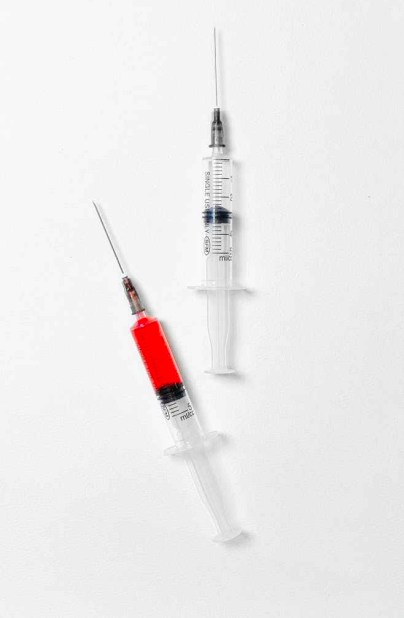
In my original 2009 article, I didn’t mention flu shots… and it was for a reason. This is intended as an everyday prevention article, but the intent was to firmly stay away from discussing medical technologies. While medical professionals often profess that a flu shot is effective, take that advice for what it’s worth… advice. While you can get a flu shot at your local pharmacy, at your place of business or at your doctor’s office, you may find that this prevention mechanism isn’t always as effective as it could be. Due to recent events surrounding H3N2, I’ve changed my stance since 2009 and that’s why I am now leading this article with this section.
During the 2017-2018 flu season, the dominant strain of the flu appears to be H3N2. This strain is particularly virulent and has resulted in a number of deaths in children and adults from complications. You may be asking, “Why didn’t my flu shot protect me from H3N2? Wasn’t this strain in the shot?” Yes, this strain (or at least the most common mutation) was included within the 2017-2018 flu shot formulation. You continue, “But, I took the shot and I still got sick anyway”. There may be several reasons for this.
- The flu shot may not have contained the exact strain of H3N2 that you got.
- The flu shot is formulated using eggs as a carrier. However, the H3N2 strain does not thrive well within an egg carrier causing this strain to be, at best, less effective and, at worst, ineffective in the shot.
- In flu seasons other than the 2017-2018 season, it has been known that those in charge of the flu strain lottery have guessed the wrong strains to include in the shot. This has directly contributed to the flu season because the dominant strain was not included.
If you received a flu shot during the 2017-2018 flu season and still got the flu, it may have been a direct result of number 1 and, more likely, number 2 contributing to your illness. As rapidly as viruses can mutate, it’s possible you picked up a strain that wasn’t included in the shot formulation (i.e., number 3).
For very young children or the elderly, getting a flu shot early is still a good first defense. However, don’t rely strictly on the shot to prevent getting the flu as it may not always protect you as expected. You should also consult with a medical professional to ensure that taking the flu shot is the right choice for your health as some people may have reactions to the formulation. Only your doctor can give you medical advice about your health.
As a result of this season’s flu shot ineffectiveness against H3N2, you will need to still use other preventative measures such as …
Wash your hands often with soap and warm water
Washing your hands frequently will eliminate most viruses and bacteria from your hands and prevent you getting them near your nose or mouth. If you can wash your face, you should do so as well.
During winter months, do not eat from serve-yourself open buffets
 Eating off of salad bars at buffet-style restaurants or other communal type restaurants only serves to get you sick. Instead, opt for ordering from the menu so the food is cooked in the kitchen and served to you directly. This doesn’t eliminate the risk of getting sick, but it drastically reduces your chances because the plates will be clean and the food will be prepared fresh and hot. A cook in the kitchen could be sick, but most better restaurants don’t allow sick cooks in the kitchen (it’s a liability, after all). The fewer people who touch your food, the less chance you have of picking up a virus.
For this same reason, don’t buy foods in grocery stores from open buffet fill-it-yourself containers. The reason for this rule is very clear. Most buffet style places leave spoons out all day in containers and simply switch out the food leaving dirty utensils. Thus, spoons may have been touched by hundreds of people. By touching the spoon on the buffet table, you may be infecting yourself immediately. The food itself may also harbor the flu or a cold virus simply from someone sneezing. For sanitary reasons, avoid buffet serve-yourself meals during the winter to keep yourself healthier. This advice covers both hot and cold food bars including olive bars.
As a side note about buffets.. Buffets are extremely unsanitary. The required sneeze guards do nothing for children. The guards are designed with adult height in mind. A child can easily be face-high to the food, yet their face is under the guard. It’s easy for a child to cough, laugh, sneeze or play around or even with the food or utensils. Since children seem to be the prime carriers for cold and flu viruses, this makes buffets and other serve-yourself food tables very unsanitary. Instead, you should order from a menu at a table. You should always ask the server if they plan serving you your food from the buffet table. If they intend to serve from the buffet, ask to have the restaurant make it fresh in the kitchen instead of serving food to you from the buffet. Better still, visit restaurants that don’t offer a buffet bar of any kind.
“Carry Around” Style Restaurants
This buffet bar advice extends to all kinds of carry around small plate restaurants including Mongolian BBQ, Brazilian Steakhouse, Japanese conveyor belt, Japanese floating boat or Dim Sum restaurants. I’d even avoid company holiday parties which use servers to carry around appetizers on trays and buffet style plates (not that this food is usually very good anyway). Basically, my advice includes any restaurant where food is paraded in front of many people before you have the opportunity to grab it. To these I also say, “Stay away.”
Company Holiday Parties
In general, parties in the winter are a bad idea. When you attend, you’re mixing with many people that you may not know. That’s not necessarily a problem. Worse, though, is the food presentation. Many company parties choose to use carry around servers for appetizers. They also like to use chafing dishes to serve buffet style and sometimes fondue fountains for desserts.
You should contact your company’s event planner early each new year and request that for holiday parties that they choose sit-down restaurant-style waiter-served meals over an open serve-yourself buffet for all parties. You should mention that it is much more sanitary and healthy for everyone involved. The last thing the company holiday party planner wants is to be responsible for making half of the company sick, especially during a particularly harsh flu season. The way to perpetuate sickness is to serve buffet style food. Inevitably, someone will come to the party sick and spread it around.
Tanning beds and UV
While this next portion may seem unusual, it may actually prevent you from getting the flu or colds. If you use a tanning bed, you may decrease your chances of actually contracting a virus or bacterial infection during the winter months. UV is known to disinfect surfaces and kill bacteria and viruses. Using a tanning bed should kill viruses and bacteria on the surface of your skin, both hands and body. You don’t necessarily need to use a tanning bed for the maximum time. It may take as little as 1-3 minutes to successfully disinfect the surface of your skin (not necessarily enough time to tan you), although, likely enough time to kill viruses. Disinfecting the surface of your skin through UV should kill off any viruses you may have picked up through contact with other people.
However, once a virus has entered your nasal passages, you are already infected. UV light doesn’t penetrate deep enough to disinfect inside your body. So, don’t tan once you are sick as it won’t help stop it and may only serve to dehydrate you even more than the virus already has. Tanning can be dehydrating. Drink water after tanning.
How often you do this really depends on how often you are out in public with lots of people around you. The longer you are out in public around potentially sick people, then choose to tan at the end of the day to kill off anything you may have come in contact with. Tanning at the end of the day rather than the beginning makes the most sense so that you kill any viruses you may have picked up that day.
Shower regularly with soap
Having good hygiene by showering will also wash away any viruses that may have landed on your skin. Shower regularly to reduce viruses and bacteria on the surface of your skin. A reasonably hot shower or bath combined with soap is quite good at doing cleansing the skin of germs.
Cover open wounds
If you have any cuts or open wounds, cover them properly with bandages. Having an open wound is an invitation for viruses to enter. Keep your cuts clean and keep them covered. Additionally, using antibacterial ointments like Neosporin on wounds can reduce infection and may also kill off or prevent entry of viruses.
Don’t use public phones or public computers
If you must use public phones or computers, bring along some Windex wipes or other disinfecting towelettes to wipe down and disinfect the surface before using it. Basically, avoid using these devices or clean surfaces where the item could come in contact with your face (like a phone). With public computers, you’re forced to touch the keyboard / mouse and you may then wipe your nose with your hands. Carrying disinfecting towelettes or sanitizer around during the winter months for quick disinfection is the smartest choice. If you can go to the restroom and wash your hands, this is the best choice over sanitizer or wipes.
Wipe down surfaces in your office
Because offices are where we spend most of our day, always wipe down your phone, desk and keyboard. You never know when someone may sit down at your desk and temporarily use your space without your knowledge. Always wipe and disinfect your space each day during the winter time. In fact, you should ask your office supply person to supply your company with disinfecting wipes. This initiative shows the company cares about a healthy workplace.
Public transportation
While I know that public transit is very ‘green’ and, in some cases, cost effective, it can also be a place where you can get sick. By sitting in seats where sick people may have been, you risk contracting the flu or cold viruses just by being there. You may not be able to avoid the use of public transportation, but you can reduce your chances by standing up rather than sitting down. If you stand on public transportation during the winter, you are not touching the seats where someone sick may have been sitting. Holding the hand rail only, you can easily clean your hands with instant hand sanitizer once you exit. Carry a small sized hand sanitizer with you in winter months. If you must sit, then avoid touching your face and use a hand sanitizer after you exit the transit.
If you notice someone coughing around you, move away from them (preferably to another car on a train) or further back if you are in a bus. You can also get off at the next stop and wait for the next bus or train, if they are frequent enough.
For airplane transit, there’s not really much you can do here. If there’s someone who is sick on a plane, you’re very likely to catch it. So, the best bet is to limit travel to only necessary movement during winter months.
Avoid eating out often / order take-out if possible
Eating at any restaurant exposes you to viruses. To avoid this risk, don’t eat out. Instead, buy foods and cook for yourself. Eating at home, there is no risk of becoming infected with a virus (except what you or your family bring home). Because your home is basically a controlled environment, you can prevent getting sick by staying home more often in the winter. If you really do want to eat out, take the food from the restaurant as takeout. Order over the phone from home or your cell and then pick the food up after it’s ready. This means you get exposed to almost nothing other than door handles and money handling. So, use some hand sanitizer or wash your hands when you get home.
Children and School
Unfortunately, if you have school age children, there is little you can do about this risk. Your children will be exposed every day at school. Because schools care about having children’s butts in seats (this is how they get their funding) more than caring about whether a child is sick, school ends up as one big petri dish. With school age children, all you can do is send them off and hope for the best. When your child brings something home (and they will), you’re likely to get it yourself. Until schools are required to care about each child’s health over attendance, this will remain a problem every year. When your child does get sick, keep them at home.
Stay at Home
If you don’t have school age children, staying at home during the height of the flu season can drastically reduce your chances of catching a virus. Going to the movies, eating out, visiting crowded shopping malls, zoos, museums or any other mingling with large gatherings of people all greatly increase your chances of getting sick during flu season. When possible, stay in.
Grocery Shopping
During December, January and February, I only go out for limited reasons such as grocery shopping. I also try to visit stores during off-hours or hours when fewer people will be shopping. These times are typically an hour before closing or the first hour after opening. If it’s a 24 hour market or open until midnight, anytime after 9PM is a great time to shop. In fact, the later at night, the fewer people you will see. You should also wipe down the push cart handle with disinfectant if you have it or use sanitizer after you’re done. Better, shop with your reusable shopping bag. It’s your bag and only you and the cashiers get to touch it. Wash your shopping bags frequently to get rid of germs.
Shopping with Home Delivery
Since companies like Amazon, GrubMarket, GrubHub, DoorDash, Postmates, Safeway and Instacart are now making it easier and cheaper than ever to shop for home delivery, here’s another way you can prevent going out. Order what you need from one of these apps and have it delivered right to your door. Use of these delivery services prevents the need to even enter a store. Inevitably, you will need to go out to fill your car’s tank or get certain items, but you can limit your people interaction on these trips and, thus, reduce your chances of getting sick.
The above are many of my rules that I regularly follow. However, sometimes it isn’t always convenient to follow all of them. In those cases, washing hands frequently with warm water is the bare minimum to help reduce the chances of getting sick during the winter flu season months.
Wash Clothing Frequently
If you’ve been out and about for a long period rubbing shoulder to shoulder with people in a subway, you should wash your clothes when you get home. Washing your clothes in a washer will ensure that your clothing is virus free. Though viruses don’t necessarily last a long amount of time on fabric, estimates may go up to 72 hours. Washing clothing washes away any viruses.
In the winter, we also wear a whole lot more outerwear than is normal in other months. Some of these include scarves and gloves. Buy and use washable outerwear. These materials allow you to throw your gloves and scarves into the washer and dryer to disinfect anything that you might have come in contact with while out and about. Gloves are particularly problematic. If you live in a city with a subway or use other public transportation, your gloves can easily pick up germs that could lead to the Flu.
Wash your outerwear frequently during the winter months. I also recommend avoiding wearing wool or other non-washable outerwear which requires dry cleaning. Because it’s difficult to launder these items, you’ll wear them for much longer than you normally wear clothing that can be washed in a washer, risking viruses. Wearing gloves for too long could be the thing that makes you sick. Instead, choose winter clothing that keeps you warm and is easy to launder… and also wash clothing frequently throughout the flu season.
Updated for COVID-19 — New Preventatives Below
With the release of COVID-19 into the wild and with this virus now being declared an official pandemic, there are even more steps you may want to consider to protect you and your family from contracting COVID-19.
Public Gatherings
Any places where crowds gather in large quantities is best avoided. This means don’t go see movies at a theater. Don’t head to large crowded restaurants. Don’t visit arcades. Don’t go to bars. Don’t ride on overcrowded subway cars. Don’t head over to that huge party. In short, don’t hang out in large crowds.
Choose alternative times to go to work if possible (go in earlier or later in the day). If you can work night shift, choose that shift where you’ll encounter the least amount of people possible.
Traveling
Stay off of planes, buses and crowded trains. Any place where large numbers of folks can congregate, stay away. If you must travel, travel by train in a closed compartment. Stay in the compartment and have your meals served to you in your compartment. Don’t walk around the train unless absolutely necessary. Don’t leave your train compartment unless required.
Planes are particularly problematic because the air is recycled throughout the plane. One person on the plane who is sick invariably will make everyone else sick. Because COVID-19 seems particularly contagious, it’s likely you will become infected when traveling by plane. Avoid unnecessary plane travel. Postpone any travel plans until COVID-19 is under at least some semblance of control.
Schools
If you’re in college, high school or any other type of school, opt for taking courses online from home rather than stepping foot on campus or sitting in crowded classrooms. Don’t eat at the cafeteria. Instead, bring your own packed lunch or visit a drive-thru and then sit in your car or find a secluded spot to eat by yourself.
Church
While I know people can be very devout to their church, it also unfortunately gathers a large number of people together. It’s very easy to get sick by visiting a church. I’ll leave you to decide how best to satisfy your faith requirements. If you can satisfy your faith at home, then stay home and spend an hour doing so instead of visiting your church. If you feel the urge to tithe, ask your church clergy if they have a way to donate electronically.
Eating Out and Entertainment
Avoid. There’s nothing requiring you to eat out. In fact, it’s probably healthier to make meals at home. Take this time to reflect on poor eating choices at restaurants and choose to make meals at home instead. This avoids visiting crowded restaurants and you may surprise yourself at what kinds of meals you can whip up.
Likewise, avoid activities like bowling, amusement parks, movie theaters and, unfortunately, gyms.
If you really must eat out, choose places that have a drive-thru. This avoids leaving your car and, unless someone working at the restaurant is infected, you’re not going to meet or speak to anyone else. I know that this excludes the more expensive sit-down style restaurants, but avoiding being around crowds is the best way to avoid getting infected.
Fitness
I spoke about this just above, but let me expand a little. While I know that many people like to visit gyms regularly, doing so could leave you infected with COVID-19. If you need your fitness fix, try other more solitary activities like walking or running around your neighborhood. Avoiding crowded gyms is a good way to beat getting COVID-19. If you’re a member of 24 Hour Fitness, many of these gyms are open 24 hours. This means you can head over at midnight or 1am and work out then. I know it’s late, but this is the time when you will see the fewest people possible. Though, when this information gets out, you might find that late is the new peak time.
If you enter a store or gym and see more than 8 people, turn around and leave. Use your best judgement also. If it’s a tiny place, but it has a lot of people, leave.
Shopping Late
The best way to avoid becoming infected is by shopping late in the wee hours of the morning. For example, Safeway is open 24 hours a day. By shopping after midnight, you can avoid seeing almost anyone in the store. The only place where you might encounter close contact is at the register. The hours between midnight and 3am are your best choices to avoid contact with people. Not that many places are open 24 hours, but take advantage of those that are.
Hand Sanitizer & Gloves
Wearing disposable gloves or carrying around hand sanitizer can help keep you from getting infected. If you have any open sores on your hands, opt for wearing disposable gloves or finger cots instead. Any open sore is a possible infection point. Make sure these sores remain properly covered when out and about, preferably by the waterproof variety of bandages.
When possible, wash your hands and face as frequently and as thoroughly as possible. When washing your face, wash your hands first thoroughly, then wash your face. After washing your hands in public, avoid touching anything when leaving the restroom. If necessary, use a towel to pull the handle on the door and throw the towel away immediately on the way out. Don’t hold it in your hands. If necessary, throw it on the floor. If the door is push to leave, kick it open with your foot.
Gas Stations
Everyone needs to fill up their car. By touching the gas pump handle, you could pick up COVID-19. Wear disposable gloves when pumping gas. Throw the glove(s) out immediately after replacing the pump handle to its holder. Don’t touch your car at all while wearing the gloves. Don’t fiddle with phone or headphones after having touched the gas pump handle and while wearing gloves. If you must fiddle with your phone, do it before you touch the handle and only after disposing of the gloves.
Touch Screens and Credit Cards
To complete many transactions at stores, you must enter your pin code, sign your name or touch an electronic pen at the point of sale. Wear gloves or, alternatively, utilize hand sanitizer immediately following the use of a touch screen. If you have a disinfectant wipe, you can wipe down the touch surface (if the cashier allows) before touching the screen or buttons. Better, bring a touch sensitive pen with you and use it to touch the screen and the buttons. Disinfect your credit card after you’ve inserted it into the slot and removed it.
If a store offers a wallet system that simply requires scanning your wallet on your phone, use this instead. The more hands-off you can make the purchasing, the less chances you’ll have of becoming infected.
If a store offers in-store pickup, order in advance on your phone, then pick up the items when the order is ready. This avoids contact with almost every surface. If you can utilize items for delivery, opt for this instead.
Washing All Purchases
If you’re bought anything new from a store, wash it immediately. If it’s clothing, immediately put it into the washing machine and wash it in hot water. If possible, dry it in a hot dryer. If you’ve bought something that’s dry clean only, take it to the dry cleaners. Better, buy and wear only wash and wear items during this COVID-19 pandemic.
For food items, buy items that have plastic containers or wrapping. When you get the items home, wash the entire outer packaging under hot water using soap and water. If you’re buying produce, you’ll want to buy produce that can be cooked before eating. Avoid eating produce that must be consumed raw, such as lettuce… unless the produce is individually wrapped in plastic and the outer plastic can be thoroughly washed.
After touching any purchased items, be sure to wash your hands thoroughly before eating, drinking or scratching.
Avoid Touching your Face
When you are out and about in public, avoid touching any part of your face. If you have an itch, leave it. Don’t scratch. Wait until you have washed your hands and face before touching any part your face. I know this one is tough, but keeping your hands away from your face is key to not bringing any germs into contact with your nose, eyes or mouth.
Coughing and Sneezing
If you hear anyone sneezing or coughing near you, move away or, better, leave. For example, if you need to visit your local Driver’s License office, this inevitably has at least one or two sick people. Avoid these public servant places like, ahem, the plague. If you can do your transactions online or by mail, do that instead. For example, California now offers a machine at various grocery stores to renew your car’s tags. Take advantage of these systems and avoid sitting in crowded close-contact surroundings.
Bars
Most bars are only required to rinse glasses through a weak bleach water solution between uses. As a result of this washing activity, it’s possible you could pick up COVID-19 from a glass washed at a bar. I’d suggest avoiding bars unless you absolutely know that the bar washes their glasses in a dishwasher after every use. Ask the bartender if you are unsure of their glass washing practices.
Common Sense
Many of these above are simply common sense. The most important is regularly washing your hands with hot water and soap and also the use of hand sanitizer for those in-between times. If you have open sores, cuts or scrapes, make sure these are appropriately bandaged and covered… preferably with antibiotic ointment. While the ointment may not actually kill the COVID-19 virus, it does create an additional barrier between your open sore and entry of the virus, just like the bandage.
Asian Restaurants and Asian Markets
This last part may is probably the most controversial, but it’s definitely worth mentioning. Consider the primary demographic of any establishment you intend to visit. If you realize that the primary demographic for that establishment has high possibility of infection, you might want to think twice at visiting.
Contrary to some opinions on this topic, I will agree to these articles’ primary point. It’s not the restaurant food or grocery store items that is likely to get you infected with COVID-19. Instead, it will be that establishment’s customers. When you visit a Chinese grocery or Chinese restaurant, many of these establishment appeal to Chinese customers of all persuasions. What that means is when heading into one of these stores or restaurants, you do so at your own risk. It’s not the food or prepackaged items sold that will infect you, no. It’s that someone before you may have touched or sneezed on a package or, in fact, that person may be standing next to you in line when purchasing your food or paying your restaurant bill. The chances of encounter with the COVID-19 infection is much, much greater at places that attract the Chinese demographic.
These types of stores are open public spaces that are intended to appeal to everyone, but more particularly to those of Chinese descent. This statement isn’t meant to cast any aspersions. Instead, it’s a realistic assessment on the COVID-19 situation. Many recent Chinese immigrants feel much more at home when they eat at a Chinese restaurant or shop at a Chinese market. If they have recently traveled to and from China, then that whole establishment is at risk when they shop. That’s not to say that eating at McDonald’s or Denny’s is a better (or safer) choice. But, the risk is likely somewhat lower at restaurants that don’t widely appeal to a higher infection-rate demographic. Though, this pandemic is most certainly liquid and ever changing. As more and more people are infected, the demographic may swing from mainly Chinese to a wide array of demographics.
We already know that this virus spreads easily and rapidly, likely now more by surface contact than by exchange of bodily fluids. However, both are definitely possible. Visiting an establishment which is most likely to attract the highest infection demographic is always worth avoiding in the short term. Once the virus has begun to decline its spread, then it may be safe again to visit these types of establishments.
As I said above, if you must have Chinese food, find a place that either offers a drive-thru or use a home delivery service. That doesn’t mean the food or the containers can’t be infected, but the chances are reduced when only restaurant staff have ever handled or breathed on those containers.
Microwave Your Takeout — Toss Takeout Containers Rapidly
To reduce changes even further with purchased foods… If you’ve gotten takeout from a restaurant, no matter the type of food, it’s worth removing the food from its restaurant takeout container(s), then reheating the food in a microwave on your own dinnerware. Make sure to stir it well and that it gets hot enough.
While your food is re-heating in the microwave, dispose of all takeout containers in a separate trash bag or directly into a dumpster. Make sure you can’t accidentally touch the containers again after you’ve disposed of them. Finally, wash your hands thoroughly before touching or eating the now microwaved food. If the food can’t be easily microwaved (i.e., salads or cold food options), you might want to consider hot food choices instead.
If you really must have a salad, I’d suggest buying salad ingredients at a grocery store and making the salad yourself at home. Buying cold salads at any restaurant affords an excellent transportation opportunity for COVID-19. I’d also say the same thing about cold beverages and containers, such as Boba. Decant the beverage from its original takeout container into a properly sanitized glass, then discard the original packaging… making sure to wash and/or sanitize your hands before consuming the beverage. This beverage situation goes for Boba places to be sure, but also places like Starbucks.
Better, make and eat foods at home. Leave the the takeout for safer times.
Disclaimer: This article is not to be construed in any way as dispensing medical advice. The information on this site is not intended or implied to be a substitute for professional medical advice, diagnosis or treatment. Always consult with a licensed medical professional to discuss your specific health needs.
↩︎


 Random Thoughts - Randocity!
leave a comment